
India's First AI and Food Tech Hackathon Targets Alternative Proteins
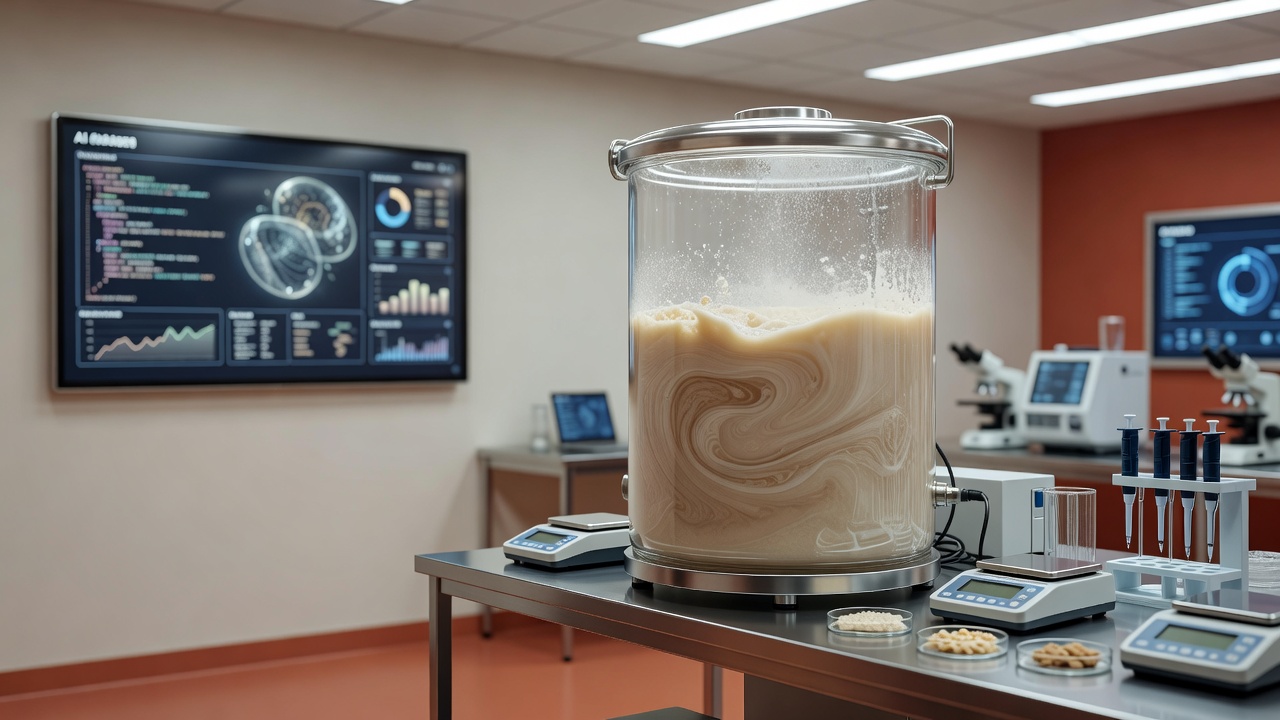
A 24-hour contest in Haryana asked young innovators to use artificial intelligence on problems facing the alternative protein industry. The National Institute of Food Technology Entrepreneurship and Management, Kundli (NIFTEM-K), hosted the event, which Hack the Fork, a France-based non-profit, organised with the institute. It ran from October 24 to October 25 and was billed as India's first AI and food tech hackathon.
How the competition worked
The organisers received more than 85 applications from teams and shortlisted 25 for the final round. Of those, 22 teams from 10 states, with more than 90 participants in total, worked on-site at the institute. The teams came from IITs, IIITs and the University of Delhi, among other institutions, so they brought together food science, computing and engineering skills.
Ms. Alice Pjie, Director of Hack the Fork, opened the event on October 24. Teams presented their solutions to an expert jury on October 25. Four mentors guided the teams during the build period: Mr. Chaitanya Chilukuri and Ms. Svarnim Samant of the Good Food Institute (GFI) India, Dr. Saurabh Jain of IIIT Sonepat, and Mr. Abhishek Shukla of the University of Delhi. Dr. Vimal Pant, Professor at NIFTEM-K and CEO of NTIBIF, coordinated the event.
Where AI fits in alternative proteins
Alternative protein products, such as plant-based foods and fermentation-derived ingredients, depend on many technical choices. Formulation, taste, texture, nutritional balance and production consistency all require testing. Machine learning models can help researchers analyse large datasets from such trials and suggest combinations to test next, which can shorten the path from idea to prototype.
The challenge named four main areas: nutritional optimisation, food safety, sustainable production and food waste reduction. Each one ties into household concerns. Safer, more consistent products reach shelves with fewer recalls, and less waste in processing can keep food costs and environmental impact lower over time. Whether any particular team's idea will reach the market is not yet known from the available information.
Prizes, incubation and what to watch
Winning teams competed for prizes worth ₹1.5 lakh and a chance to join NIFTEM-K's Startup Incubation Programme. Those awards give promising projects funding and institutional support, but a hackathon prototype is an early step. Turning it into a tested, commercially viable product involves further validation, regulatory review and investment.Readers interested in the outcome should look for announcements of the winning projects and any incubation enrollments from NIFTEM-K. The event shows growing interest in combining computing and food technology in India, though its long-term effects will depend on what the participating teams build next.